arXiv new/cross; training-free visual token engineering · P2 · 2026-07-08
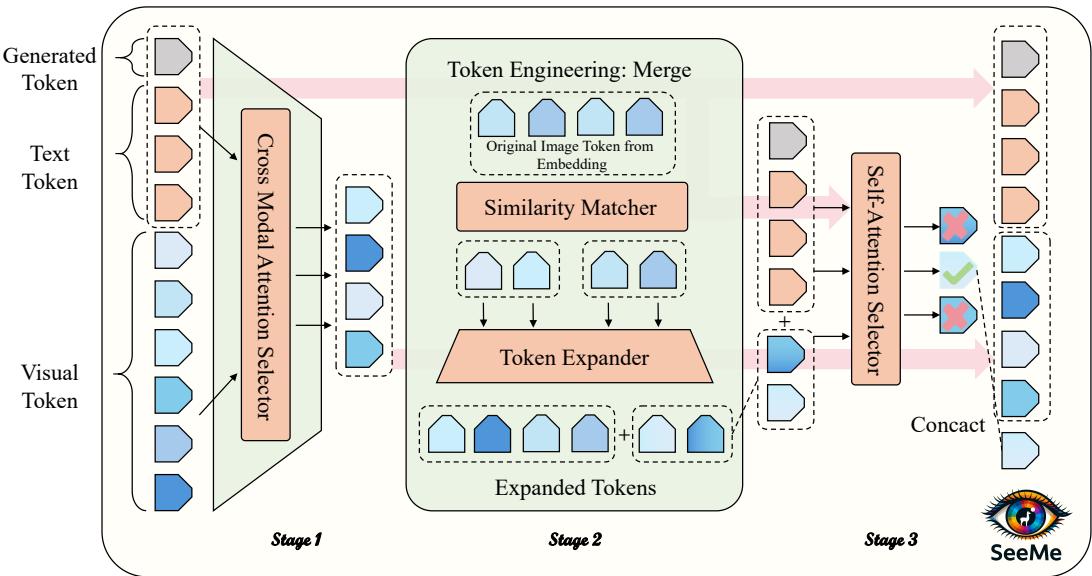
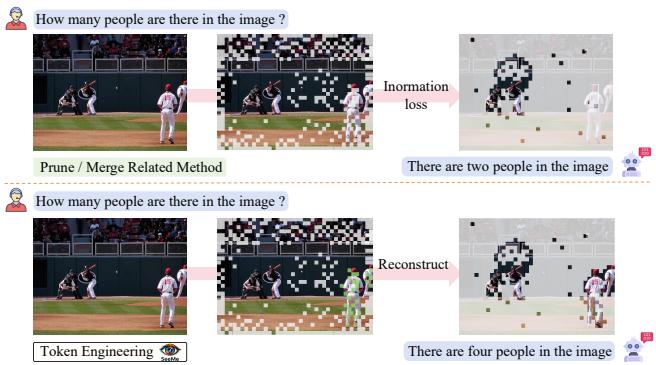
SeeMe:它和通用视觉自监督的关系在于:把 hallucination 根源部分定位到 irrelevant/noisy visual tokens,并提出无需训练的三阶段 token 重构
中高相关;详见方法、贡献和实验边界。
编号2607.04163
优先级P2
类别arXiv new/cross; training-free visual token engineering
会议arXiv new/cross; training-free visual token engineering
方法把 hallucination 根源部分定位到 irrelevant/noisy visual tokens,并提出无需训练的三阶段 token 重构
来源arXiv / OpenReview
先说结论。它和通用视觉自监督的关系在于:把 hallucination 根源部分定位到 irrelevant/noisy visual tokens,并提出无需训练的三阶段 token 重构。 中高相关;详见方法、贡献和实验边界。
核心问题
它和通用视觉自监督的关系在于:把 hallucination 根源部分定位到 irrelevant/noisy visual tokens,并提出无需训练的三阶段 token 重构。
方法拆解
把 hallucination 根源部分定位到 irrelevant/noisy visual tokens,并提出无需训练的三阶段 token 重构
主要贡献
中高相关;详见方法、贡献和实验边界。
实验看点
实验部分建议重点看两类证据:一是作者是否把方法收益和更强数据、更长训练、更大模型区分开;二是跨模型、跨数据或跨任务迁移是否还能保留同样趋势。
局限与读法
这篇论文的结论需要结合任务设置、训练数据规模和消融实验一起看;不要只凭单个指标判断它对通用视觉表征的价值。